
Emergencies rarely send a warning. They happen in kitchens, on sidewalks, at workplaces, and during ordinary family moments. In those first few minutes, before professional help arrives, the actions of the people nearby can shape the outcome. That is where proper training becomes more than a certificate. It becomes the difference between panic and purpose, confusion and control.
When a Simple Cut Becomes Serious
A kitchen knife slip or a workplace tool accident can quickly turn into heavy bleeding. Many people freeze or use the wrong method, like removing objects that should stay in place or failing to apply firm pressure. First aid training teaches how to control bleeding, protect the wound, and reduce infection risk. These steps sound simple, yet in a stressful moment, clear knowledge matters. People who complete first aid Townsville programs often say they feel more prepared to handle injuries at home, at work, or in public without hesitation.
Choking Incidents at Home or in Public
Choking is one of the most frightening everyday emergencies because it unfolds fast. It can happen during a family dinner, at a restaurant, or while a child eats too quickly. Without training, bystanders may not recognise the signs of airway blockage or may use ineffective methods. Learning correct techniques for assisting both adults and children helps prevent a minor situation from turning tragic. Training builds the confidence to act quickly rather than waiting and hoping the issue resolves on its own.
Falls and Head Injuries
A simple trip on uneven ground or a fall from a ladder can lead to head injuries or fractures. The injured person might seem fine at first, but later show serious symptoms. First aid knowledge teaches how to keep someone still, monitor their condition, and identify warning signs that demand urgent medical attention. Instead of moving the person incorrectly or overlooking symptoms, trained individuals know how to respond safely while waiting for professional responders.
Cardiac Emergencies in Everyday Life
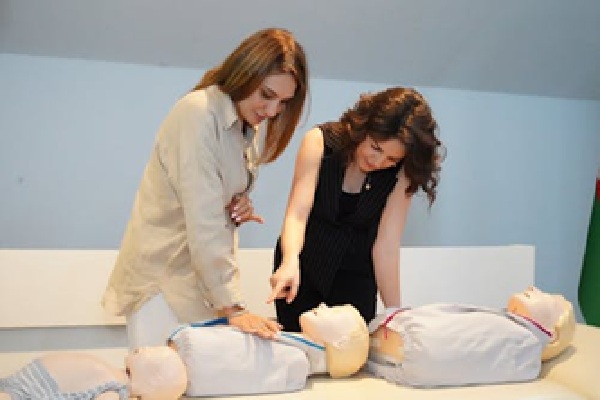
Cardiac events do not only happen in hospitals. They occur at shopping centres, sports fields, offices, and homes. If you see the signs of cardiac arrest and act right away, your chances of survival can double or even triple. Learning compressions, rescue breaths, and how to use an automated external defibrillator gives people practical tools during those critical minutes. That is why many individuals enrol in CPR training Townsville programs, understanding that rapid action can preserve brain function and save lives before paramedics arrive.
Burns From Common Household Activities
Hot oil splashes, boiling water, or contact with heated surfaces cause burns more often than people realise. Some traditional remedies can make the injury worse. First aid education explains how to cool the burn correctly, protect the skin, and avoid harmful practices. These steps reduce pain and limit tissue damage, improving recovery outcomes.
Allergic Reactions and Breathing Problems
Severe allergic reactions can develop after food exposure, insect stings, or medication. Symptoms may escalate quickly, affecting breathing and circulation. First aid training helps people recognise swelling, breathing difficulty, and shock signs. Knowing how to assist with medication, like auto injectors, and position the person properly can be life-saving.
Why Training Changes Outcomes
The common thread across all these emergencies is time. The first few minutes matter most. Training transforms bystanders into capable responders who understand priorities and stay calmer under pressure. Through first aid and CPR courses Townsville, participants practice real-life scenarios, making their reactions more automatic when real emergencies happen.
Emergencies are unpredictable, but preparedness is not. With proper knowledge, everyday people gain the ability to protect loved ones, coworkers, and even strangers. First aid training does not just teach techniques. It builds awareness, confidence, and the readiness to act when it truly counts.