
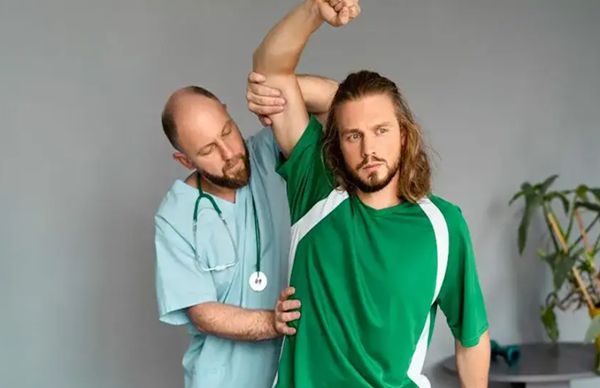
Injuries happen often — especially if you’re an athlete.
One week, you’re smashing training sessions. Next week, you’re probably icing your knee on the couch, wondering when you’ll get back to it.
It’s really frustrating for athletes to go through it. Quite honestly, it messes with your head as much as your body. If you’re trying to shorten that timeline, seeing a sports osteopath can be one of the smartest moves you can make.
What Osteopaths Do for Athletes
A lot of people think osteopathy is just about cracking backs — but it’s not.
Trained osteopaths look at your whole body, not just the sore bit. Let’s say your knee’s been playing up — chances are an osteopath will also check your hips, your ankles, even the way you’re loading your foot when you run.
Pain rarely stays in one place. It usually starts somewhere else and shows up somewhere inconvenient. That’s the real value of seeing a sports osteopath.
They’re not just chasing symptoms. They’re trying to work out why the injury happened in the first place.
Why Rushing Recovery (or Ignoring It) Backfires
Here’s the thing about time off sport — it’s not neutral.
Muscles get weaker. You start moving differently to protect the sore area. That new movement pattern can cause its own problems.
Confidence takes a hit too, especially if you’re not sure what’s actually wrong.
Good osteopathic care speeds things up because it tackles a few things at once — pain, stiffness, and the movement patterns that caused the injury. That combination tends to get people back on the field quicker than rest alone ever does.
What Treatment Usually Involves
Sessions aren’t one-size-fits-all — but there’s a fairly typical rhythm to them.
Your osteopath will usually work through some hands-on treatment first (soft tissue release, joint mobilisation, etc.) to bring the pain and stiffness down. Then they’ll watch how you move. Walking, running, squatting, whatever’s relevant to your sport, just to spot anything that’s off.
From there, you’ll probably get a few exercises to do between visits. Nothing complicated, just enough to keep things moving in the right direction.
And recovery isn’t a “one-and-done” thing either. Most people need a few sessions, with adjustments along the way as things improve.
Finding Good Osteopathy Near You
Googling osteopaths near you? Don’t just go with whoever’s shouting the loudest in the ads — look for real sports experience instead
Find someone who’s actually treated athletes before. A netballer’s ankle sprain and a distance runner’s shin pain need pretty different approaches. A practitioner who gets that will save you a lot of back-and-forth.
If you’re in Brisbane, it’s worth finding a Brisbane osteopath who’s used to working around training schedules and game days — not every clinic offers that kind of flexibility.
Your First Appointment in Brisbane
Nothing scary here.
You’ll have a chat about the injury and what sport you play. Then you go through a physical assessment, and then some treatment. Most people walk out with a much clearer picture of what’s going on than they had walking in.
Injuries suck, but they don’t have to keep you out for months. The right sports osteopath can get you back to training with less guesswork and less risk of the same thing happening again.
If you’re after a Brisbane osteopath, Prime Health Hub in Taringa has a team that works with athletes across all kinds of sports and injury types.
Visit them today and get moving again sooner rather than later.