
Dental implants are widely considered the gold standard for tooth replacement, boasting a success rate of over 95%. However, like any medical procedure, complications can occasionally arise. Understanding the early warning signs of a failing implant is essential for protecting your oral health and your investment.
If you are concerned about a recent procedure or are planning for Dental Implants Perth, knowing what to look for can make all the difference in saving the implant.
Common Signs of Dental Implant Failure
While some discomfort is normal immediately after surgery, persistent or new symptoms should never be ignored.
- Persistent Pain or Discomfort: It is normal to feel some tenderness during the first week. However, sharp, throbbing, or worsening pain long after the healing phase is a primary cause for concern.
- Looseness or Movement: A successful implant should feel as solid as a natural tooth. If you feel even a tiny bit of “wiggle” when eating or talking, the implant may not have fused correctly with the bone.
- Swelling and Gum Inflammation: While slight swelling is expected post-op, gums that remain bright red, puffy, or bleed easily around the implant site may indicate an infection known as peri-implantitis.
- Difficulty Chewing: If biting down feels “off” or causes pain, it could be a sign that the implant is shifting or that the surrounding bone is under stress.
Why Do Implants Fail?
Understanding the “why” can help you take preventative steps. Failure usually falls into two categories:
- Early Failure (Within 3–4 months): Often caused by the bone failing to grow around the implant (poor osseointegration), an undetected infection, or insufficient bone density.
- Late Failure (Years Later): Usually triggered by mechanical stress, teeth grinding (bruxism), or poor oral hygiene leading to gum disease.
For those considering advanced restorative options like All-On-4 Brisbane, choosing a clinical team that prioritises thorough pre-surgical bone density checks and high-quality materials is the best way to minimise these risks.
When to See Your Dentist
If you notice any of the symptoms mentioned above, time is of the essence. Many people seeking Dental Implants Brisbane worry that a problem means the implant must be removed, but that isn’t always the case.
Schedule an emergency appointment if you experience:
- Visible pus or discharge around the implant.
- A sudden change in your “bite” or how your teeth fit together.
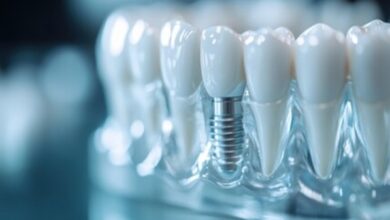
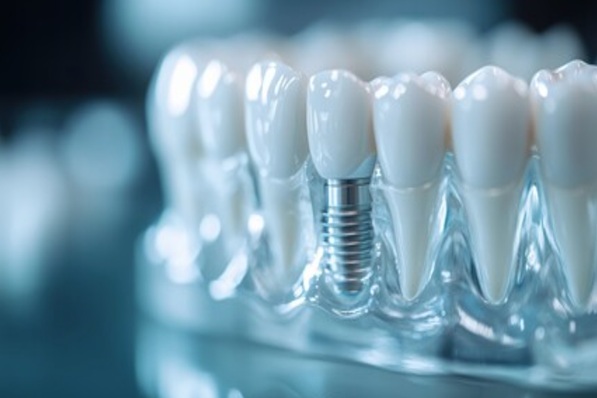
- Receding gums that expose the metal post of the implant.
Tips for Long-Term Success
- Maintain Rigid Hygiene: Treat your implants like natural teeth. Brush twice daily and use interdental cleaners to keep the gumline clear of bacteria.
- Regular Check-ups: Professional cleanings and X-rays allow your dentist to spot bone loss before it becomes a failure.
- Protect Your Smile: If you tend to grind your teeth at night, ask your dentist about a custom night guard to relieve pressure on the implant.